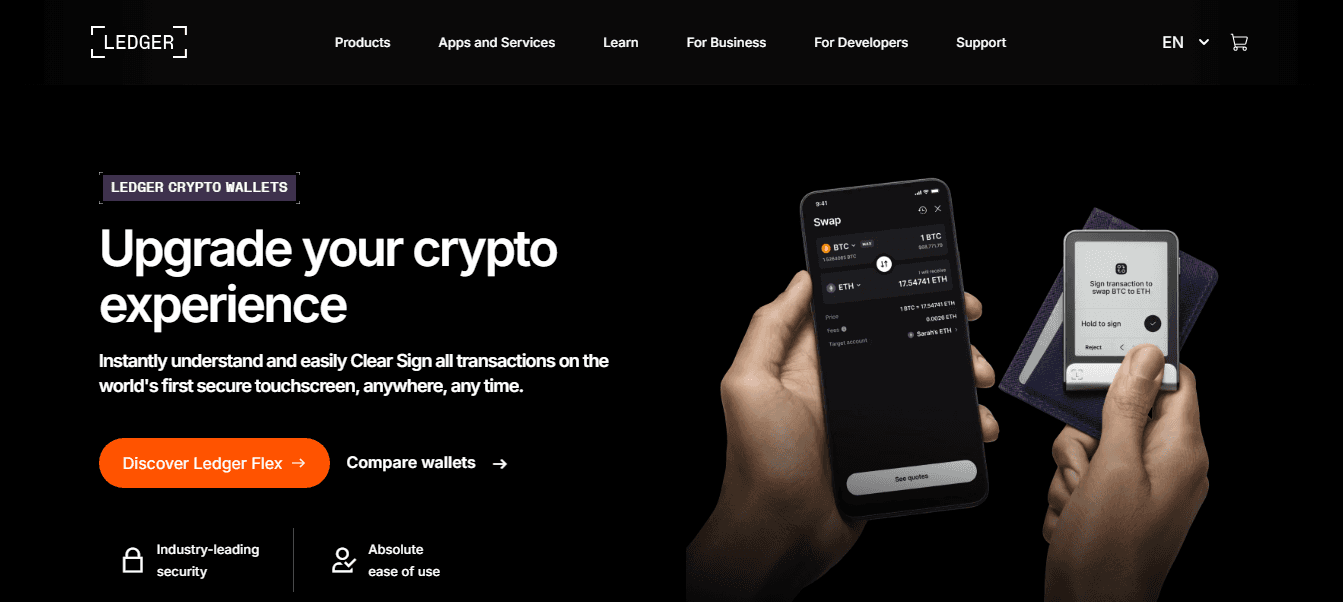
Ledger Login: Your Gateway to Secure Crypto Management
In the rapidly expanding world of cryptocurrency, security is paramount. One of the most trusted solutions for safely managing digital assets is Ledger, a leading provider of hardware wallets and software applications designed to protect your crypto. At the heart of accessing and managing your Ledger devices and accounts is the Ledger login process. Understanding how to log in, why it’s essential, and how to troubleshoot common issues is crucial for anyone serious about crypto security.
What is Ledger Login?
Ledger login refers to the process of accessing your Ledger account or device through Ledger’s software applications, primarily Ledger Live, which is the official app used to manage your crypto assets. The login process ensures that only authorized users can access sensitive data, such as private keys and account balances.
Ledger login can take multiple forms depending on whether you are accessing via the hardware device, the desktop app, or the mobile app:
Hardware Wallet Access: Using the Ledger device to confirm your identity physically.
Ledger Live Desktop Login: Entering your PIN and confirming your device connection to access Ledger Live on a computer.
Ledger Live Mobile Login: Using a mobile device to manage crypto with similar security protocols.
Each method is designed to maintain high security while allowing seamless access to your portfolio.
How to Perform Ledger Login
Performing a Ledger login is straightforward but requires attention to detail for security reasons. Here’s a step-by-step guide:
1. Connect Your Ledger Device
For most logins, you first need to connect your Ledger hardware wallet (Ledger Nano S, Nano S Plus, or Nano X) to your computer or mobile device using a USB cable or Bluetooth (Nano X only). Ensure your device is genuine and has not been tampered with, as counterfeit devices can compromise security.
2. Open Ledger Live
Launch the Ledger Live app on your device. Ledger Live is available for Windows, macOS, Linux, Android, and iOS. Make sure you are using the official app downloaded from the Ledger website to avoid phishing risks.
3. Enter Your PIN Code
Your Ledger device is protected by a PIN code. During login, you will be prompted to enter this PIN directly on the device. This step ensures that even if your computer is compromised, unauthorized users cannot access your crypto.
4. Access Ledger Live
Once the PIN is entered and verified, your Ledger device communicates securely with Ledger Live. You can now view your accounts, check balances, send and receive crypto, and perform other operations depending on the assets stored on your device.
5. Secure Logout
After managing your funds, always disconnect your Ledger device and close Ledger Live. This minimizes the risk of unauthorized access, especially if you are using a public or shared computer.
Security Features of Ledger Login
Ledger login is built with multiple layers of security to protect your crypto:
PIN Protection: Ensures only the device owner can access the wallet.
Physical Confirmation: Transactions must be confirmed on the hardware device, preventing remote hacks.
Recovery Phrase: Your 24-word recovery phrase allows account recovery in case the device is lost or damaged, but it must never be shared online.
Device Verification: Ledger Live checks for genuine devices, protecting against counterfeit hardware.
These features make Ledger one of the most secure options for managing digital assets.
Common Ledger Login Issues and Solutions
Even though Ledger login is user-friendly, users sometimes face issues. Here are common problems and their fixes:
Issue 1: Device Not Recognized
If Ledger Live does not detect your device:
Ensure your device is unlocked.
Try a different USB cable or port.
Restart Ledger Live and reconnect the device.
Issue 2: Forgotten PIN
If you forget your PIN, the only way to regain access is to reset the device and restore your account using the 24-word recovery phrase. Always keep this phrase safe and offline.
Issue 3: Ledger Live Not Updating
Sometimes Ledger Live may fail to sync or log in:
Check for the latest app updates.
Restart your computer or mobile device.
Verify that your operating system meets Ledger Live requirements.
Best Practices for Ledger Login
To maintain optimal security, follow these best practices:
Always use official sources: Download Ledger Live only from Ledger’s official website.
Keep your PIN private: Never share your PIN or recovery phrase with anyone.
Regular software updates: Update Ledger Live and device firmware regularly to protect against vulnerabilities.
Secure environment: Avoid logging in on public or shared devices to minimize risk.
Why Ledger Login Matters
Logging in securely to Ledger Live is more than just accessing your crypto; it’s about protecting your assets from theft and unauthorized access. With cyber threats constantly evolving, understanding the Ledger login process ensures you can safely monitor, transfer, and manage your digital assets without compromising security.
Conclusion
The Ledger login process is a crucial gateway to managing your cryptocurrency safely. By combining hardware-level security with intuitive software access through Ledger Live, Ledger ensures that your assets remain protected while still being easily accessible to you. Following the correct login procedures and adhering to security best practices will help you enjoy the benefits of cryptocurrency ownership without unnecessary risk.
Whether you are a beginner or an experienced crypto user, mastering Ledger login is essential for keeping your digital assets secure and maintaining control over your crypto portfolio. Secure, reliable, and user-friendly, Ledger continues to be a top choice for anyone serious about cryptocurrency management.